
The training your company is required to run — from a provider you can verify.
First aid, fire fighting and occupational health & safety courses, accredited by the Botswana Qualifications Authority and approved by HRDC. Delivered in Maun, at your premises, or in camp — anywhere in Botswana.
Five HRDC-approved courses, quoted for your team.
Delivered by qualified emergency-care professionals and assessed to the accredited standard. Every booking is quoted on your course list and headcount.
First Aid Level 1
- CPR & choking response
- Wounds, bleeding & fractures
- Burns, head & spinal injuries
Full course contents
- Principles of Emergency Care
- Safety and Emergency Care Management
- Emergency Care provider and the law
- The call for help
- Cardiopulmonary Resuscitation
- Choking
- The Primary Assessment
- The Secondary Assessment
- Shock
- Unconsciousness
- Epilepsy
- Wounds and Bleeding
- Fractures
- Burns
- Head Injuries
- Spinal Injuries
same working day
First Aid Level 2
- Everything in Level 1, deeper
- Medical & environmental emergencies
- Poisoning, bites & snake bites
Full course contents
- Principles of Emergency Care
- The need for Primary Emergency Care
- Safety and Emergency Care Management
- The Emergency Care Provider and the law
- The call for help
- Cardiopulmonary Resuscitation
- Artificial Respirations
- Choking
- The Primary Assessment
- The Secondary Assessment
- Shock
- Unconsciousness
- Epilepsy
- Wounds and Bleeding
- Fractures
- Burns and their complications
- Head injuries
- Spinal injuries
- Chest injuries
- Abdominal-Pelvic injuries
- Musculoskeletal Injuries
- Medical Emergencies
- Environmental Injuries
- Approach to Poisoning
- Bites and Stings
- Snake Bites
- Regulation 2 Content Kits
same working day
First Aid Level 3
- Glasgow Coma Scale & blood pressure
- Multiple-patient incidents
- Emergency childbirth & body systems
Full course contents
- Principles of Emergency Care
- The need for Primary Emergency Care
- Safety and Emergency Care Management
- The Emergency Care Provider and the law
- The call for help
- Cardiopulmonary Resuscitation
- Artificial Respirations
- Choking
- The Primary Assessment
- The Secondary Assessment
- Glasgow Coma Scale
- Blood Pressure
- Shock
- Unconsciousness
- Epilepsy
- Wounds and Bleeding
- Fractures
- Burns
- Head Injuries
- Spinal Injuries
- Chest Injuries
- Abdominal-Pelvic Injuries
- Musculoskeletal Injuries
- Medical Emergencies
- Environmental Injuries
- Approach to Poisoning
- Bites and Stings
- Snake bites
- Multiple Patients Incidents
- Emergency Childbirth
- Circulatory System
- Respiratory System
- Musculoskeletal System
- Nervous System
- Regulatory 3 Content Kits
same working day
Basic Fire Fighting
- Classes of fire & extinguisher types
- R.A.C.E. response procedure
- Prevention & safe equipment use
Full course contents
- Origins of fire and how fire spreads
- Fire hazards & systems to eliminate the possibility of fire starting
- Correct fire equipment in case of a fire outbreak
- Fire prevention goals
- Definition of fire and its components, combustion, and extinguishment process
- Ignition sources
- Transmission of heat
- Classes of fire and their characteristics
- Firefighting equipment, characteristics, and contents
- Types of fire extinguishers and their performance, advantages, and limitations
- Methods of extinguishing fire and their effectiveness
- Action to take upon discovering a fire — R.A.C.E.
- General guidelines for safe use of fire extinguishers
- Operation of fire extinguishers and other firefighting equipment
- When to use or not to use a fire extinguisher
- DO's and Don'ts in case of a fire
same working day
Occupational Health & Safety
- Risk management & legal framework
- Hazardous substances & storage
- PPE, machinery & accident reporting
Full course contents
- Introduction to Occupational Health & Safety
- Health and their different forms
- Common safety terminology
- Risk Management
- Legal framework for Regulating Health & Safety
- OHS Management System Documentation
- Registration and Record Keeping
- General functions (duties) of the HSE
- Responsibility and Accountability in OHS in an establishment
- Health and Safety Training Needs
- Design and Strategies (Methods) of Risk Control
- Risks and their likelihood and severity
- General Principles of Prevention / Key Concepts and Models of Injury Prevention
- Safe storage and handling of Hazardous Substances — inventory control, labelling, safe handling and transfer, secondary containment and spill control, cabinet and shelf storage, flammable storage
- Storage of chemicals by class — flammables and combustibles, corrosives (acids and bases), organic acids, perchloric and picric acid, reactive reducers, water-reactive chemicals, peroxide-forming chemicals
- Physical and Physiological Health Hazards and Risk Control
- How to avoid accidents
- Machinery and Occupational Safety no. 6 of 1983
- Tasks and their Hazards
- Use of Specified Dangerous Machines
- Ability to report accidents
- Protective clothing and Equipment
same working day
Not sure which courses you need?
Tell us your industry and headcount — we'll recommend the right mix for your team and quote it the same working day.
Ask on WhatsAppCertificates are valid for 2 years. Full course contents available on request — we'll quote for your whole team in one message.
Is your workplace actually covered?
If any of these makes you pause, your team may be exposed — and so may your company. Send us your headcount and we'll tell you exactly what training closes the gap.
Check our cover on WhatsAppCompliance in three steps
Send your team list
WhatsApp or email us the courses you need and how many people. You'll get a written quotation the same working day.
We train — wherever you are
Locally in Maun, at your premises, or in camp. We scale trainers to your group size without dropping the standard.
Claim through HRDC
Our courses are BQA and HRDC accredited, so your training expenses are reimbursable through HRDC.
Training happens where the work happens
Every photo below is a real Cardio Life session — pool rescue drills at Delta lodges, casualty extraction from game viewers, spinal immobilisation and classroom first aid. Live drills on real equipment, assessed, with certificates issued on completion.
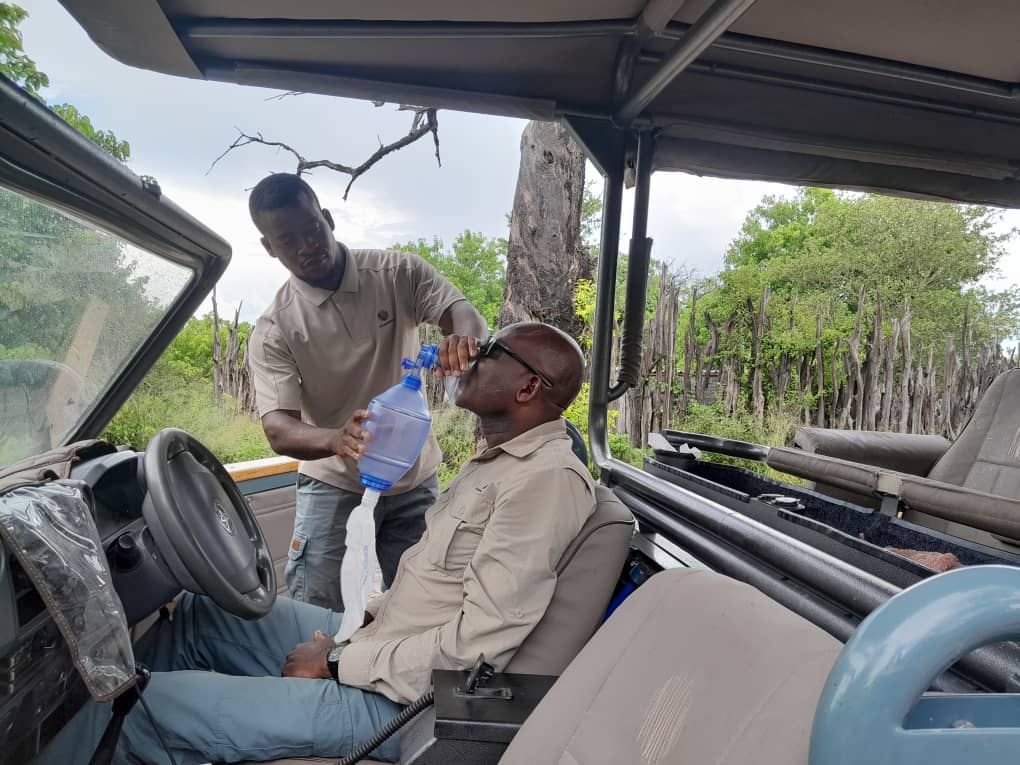
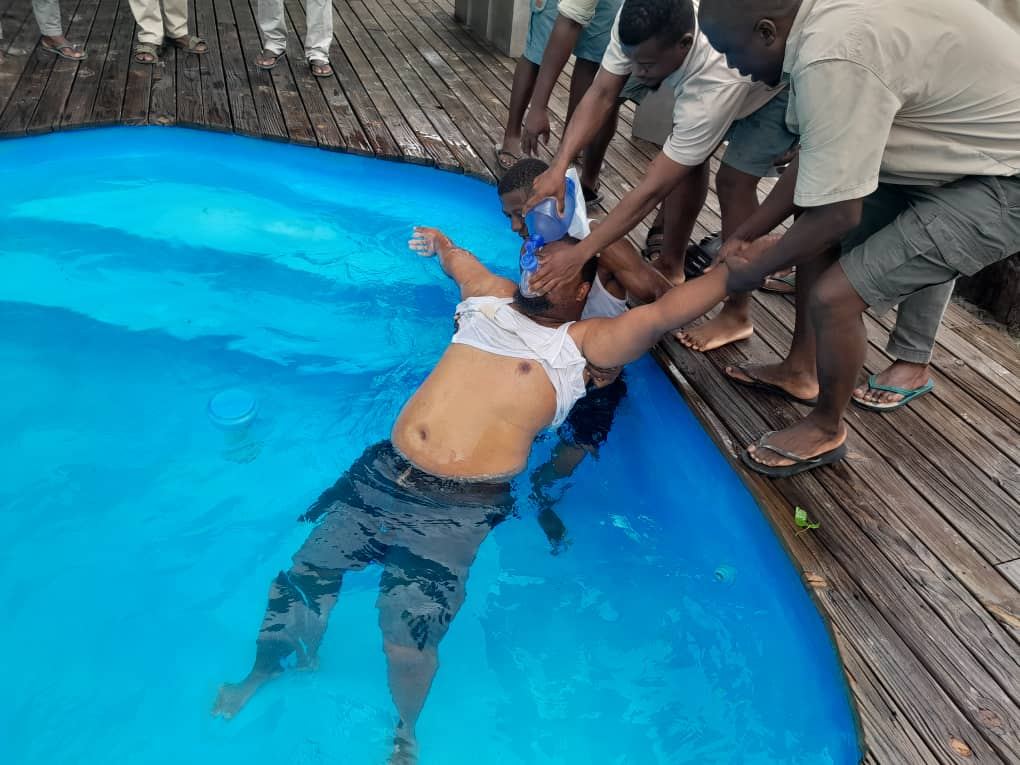
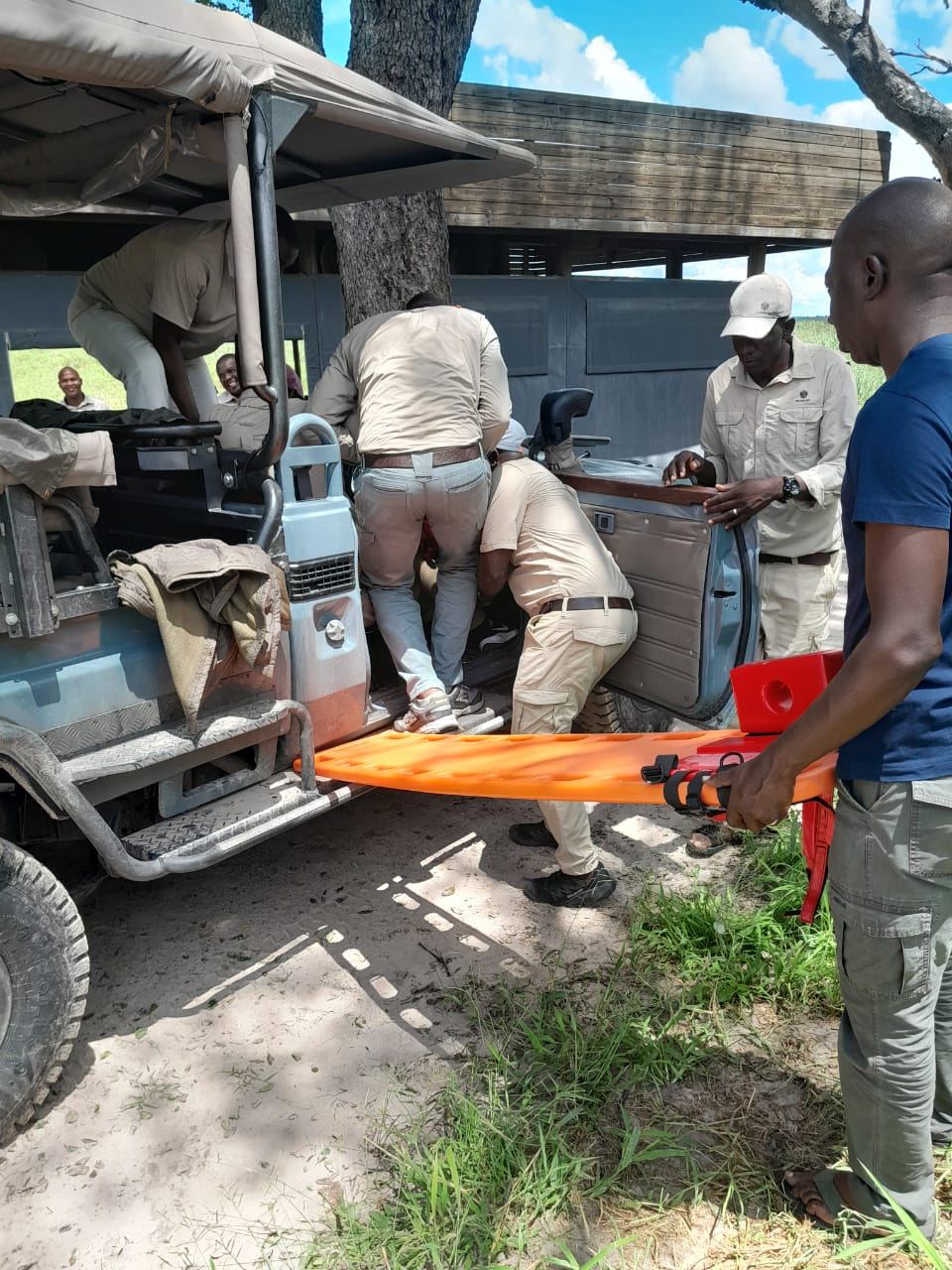
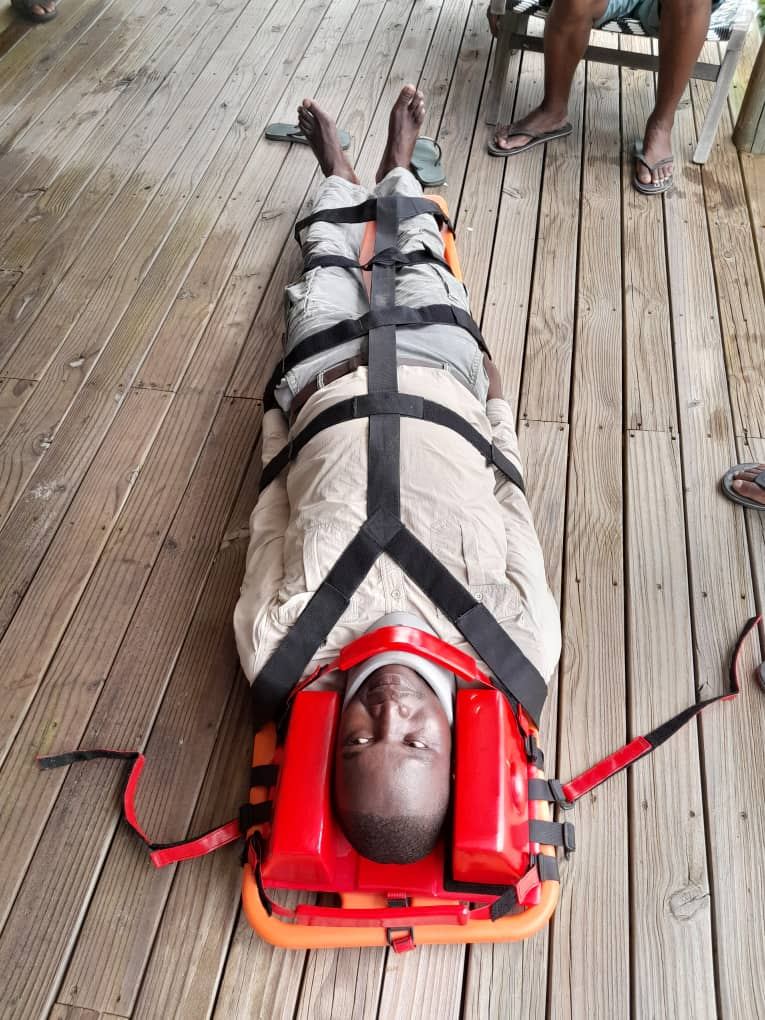
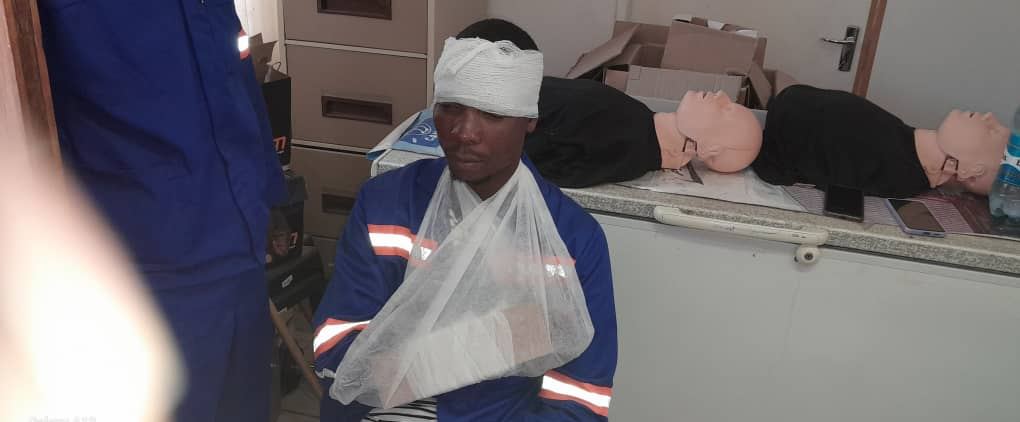
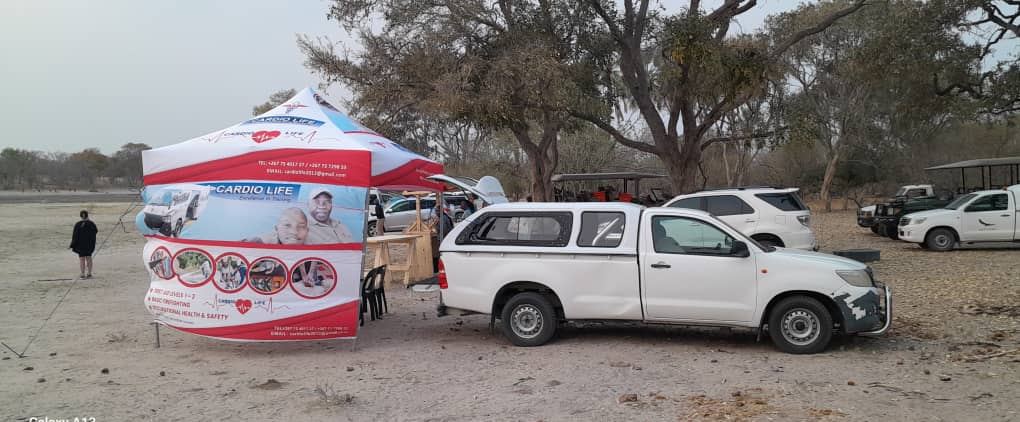
Accreditation you can check, not just claim.
Anyone can say "accredited". We publish our registration numbers so your procurement and safety teams can verify them directly with BQA and HRDC — before you spend a thebe.
Based in Maun. Training teams across Botswana:
- Botswana Qualifications AuthorityRegistered & Accredited Education and Training Provider · ETP 0390 · accredited since 2020, valid to 2030
- HRDC approved short coursesFirst Aid Levels 1, 2 & 3 · Basic Fire Fighting · Occupational Health & Safety
- Registered companyTime Chaser Investment (Pty) Ltd t/a Cardio Life · Maun, Botswana


What HR and safety officers ask us
How does HRDC reimbursement work?
Can you train at our site or camp?
How long are certificates valid?
Can you handle large groups?
How much does first aid training cost in Botswana?
What equipment do you train with?
Do learners receive a certificate?
How fast can we get a quotation?
Your team's certification, sorted this month.
Tell us the courses and headcount — we'll send a written quotation today, and train on your schedule.